Login
Subscribe
disease & medicine, neuroscience, infectious disease

How Infectious Diseases Affect the Brain
The Scientist | Apr 8, 2021 | 1 min read
From a loss of taste to dementia, infectious agents cause an array of neurological symptoms.

Infographic: Viruses on the Brain
Ashley Yeager | Mar 1, 2019 | 1 min read
Pathogens can take various routes to pass the blood brain barrier and damage cells.

Can the Flu and Other Viruses Cause Neurodegeneration?
Ashley Yeager | Mar 1, 2019 | 10+ min read
Scientists may need to seriously reconsider the cast-aside hypothesis that pathogens can play a part in diseases such as Alzheimer’s and Parkinson’s.
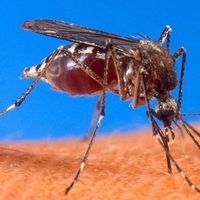
Zika Linked to More Neurological Problems in Adults
Kerry Grens | Aug 14, 2017 | 2 min read
A review of several dozen hospitalized patients in Brazil finds neurological conditions, including inflammation of the brain and spinal cord, in addition to Guillain-Barre syndrome.