Revealing Compound Mode of Action With Proteomics
Webinar

Detect & Interpret Early Signals of Toxicity with Proteomics

Explore how concentration-resolved, high-plex protein profiling can reveal early toxicity signals, distinguish specific biological responses from broad cellular stress, and strengthen compound mode-of-action assessment.

Brought to you byThe Scientist Creative Services Team

This webinar, brought to you by Nomic Bio, will be hosted live and available on-demand.

Thursday, November 5th, 2026
11:00 AM - 12:00 PM ET 

Sensitive toxicity assessment requires researchers to detect early compound-induced changes while determining the biological mechanisms underlying those responses. Conventional assays may identify overt toxicity without providing sufficient mechanistic context to distinguish broad cellular stress from pathway-specific effects. High-plex protein profiling offers an opportunity to characterize concentration-dependent molecular responses and connect early toxicity signals with compound mode of action.

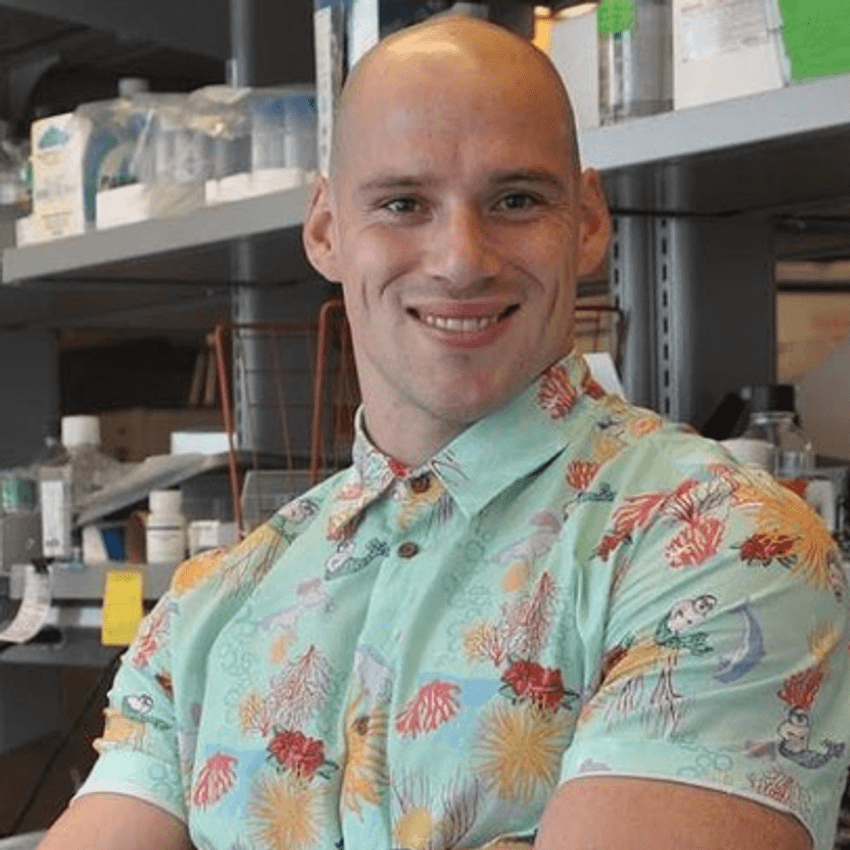
In this webinar, brought to you by Nomic Bio, Jess Ewald, and Nathaniel Robichaud, will discuss concentration-resolved profiling of 984 proteins in HepaRG cells exposed to 28 compounds with diverse modes of action using data generated through HESI Global's OASIS Consortium. They will examine protein signatures associated with broad cellular stress as well as specific lysosomal and inflammatory responses and discuss differences between secreted and intracellular protein profiles. The speakers will also explore how integrating proteomics with Cell Painting can connect molecular signaling with morphological changes and support earlier toxicity detection, compound prioritization, and safety assessment.

Attendees will: 

  • Learn how concentration-resolved protein profiling can reveal early toxicity signals and underlying biological mechanisms
  • Examine how protein signatures distinguish broad cellular stress from specific lysosomal and inflammatory responses
  • Explore how proteomics and Cell Painting provide complementary molecular and morphological views of compound response
  • Understand how scalable, high-plex protein quantification can support mode-of-action analysis, compound prioritization, and safety assessment
Jess Ewald, PhD

Jess Ewald, PhD
Research Group Leader
European Bioinformatics Institute (EMBL-EBI)

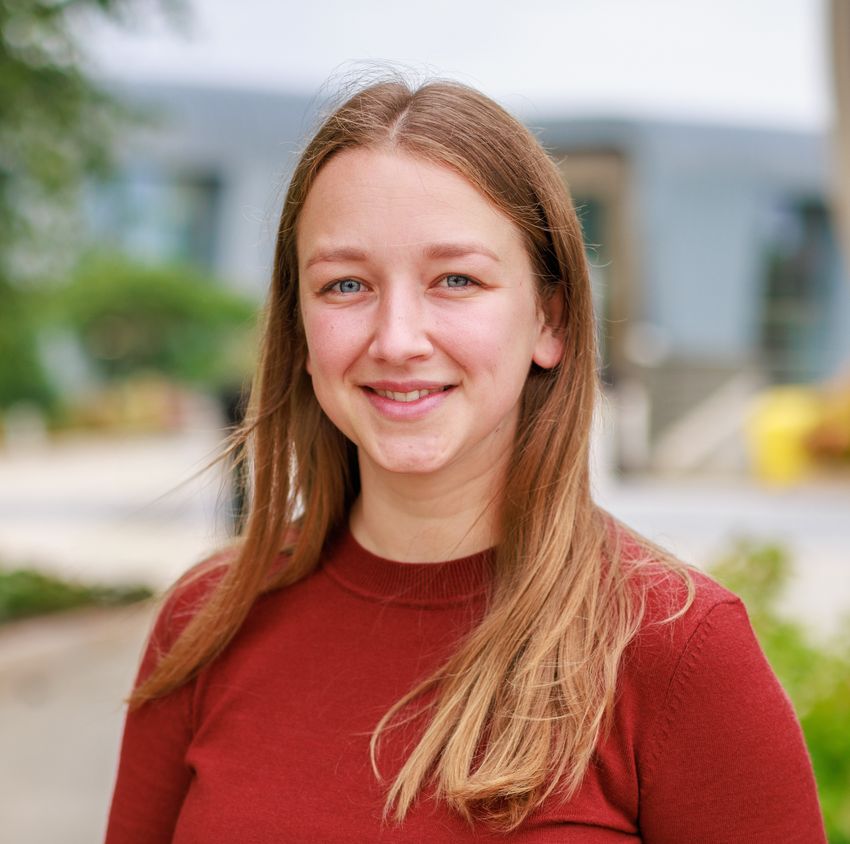
Nathaniel Robichaud, PhD

Nathaniel Robichaud, PhD
Principal Scientist
Nomic Bio

Sponsored by

  • Nomic Bio
The Scientist October Digest cover
October 2026

Antarctica’s Blood Falls Teems With Mysterious Microbial Life

Miles away from the closest ocean, marine microbes thrive in the red ice and mud around Blood Falls, offering clues to microbial adaptation and past climate events.

View this Issue
Evaluating Blood Biomarkers for Alzheimer’s Disease Staging

Evaluating Blood Biomarkers for Alzheimer’s Disease Staging

​Beckman Coulter
Find better biologics faster with Stunner and the AI Developability Workcell

Find better biologics faster with Stunner and the AI Developability Workcell

Unchained Labs
An image of microcentrifuge tubes arranged within colorful laboratory racks.

Choose clarity. Choose speed. Choose MyMass™

Refeyn
Characterizing LNP Heterogeneity With Super-Resolution Imaging

Characterizing LNP Heterogeneity With Super-Resolution Imaging

Oni

Products

Stellaromics Logo

Stellaromics Expands Pyxa Adoption as Instruments are Installed at Leading Research Institutions Across the U.S. and EuropeStellaromics, Inc., the leader in 3D

A monoclonal antibody surrounded by immune cells and red blood cells

CellRaft AIR: Find the Right Antibody-Producing Cells Faster

Cell Microsystems
Maxwell® Rapid ccfDNA Kit

Maxwell® Rapid ccfDNA Kit: Automated Purification of ccfDNA in Under 30 Minutes

Promega
Leica Biosystems, Tempus, and Paige logos side by side, marking the addition of Paige digital pathology AI tools to the Aperio AI Store.

Oncology Researchers Gain AI Cancer Tools in One Platform