Optimizing Critical Steps in T-Cell Engineering
Webinar

Optimizing Critical Steps in T-Cell Engineering

Explore how decisions in T-cell activation, expansion, gene delivery, and viral vector preparation shape cell therapy development. Learn strategies for optimizing connected T-cell engineering workflows while maintaining cell phenotype, viability, con

Brought to you byThe Scientist Creative Services Team

This webinar, brought to you by Fujifilm Biosciences, will be hosted live and available on-demand.

Thursday, February 18th, 2026
11:00 AM  - 12:00 PM ET 

T-cell engineering involves a series of interconnected processes that can influence the characteristics and performance of cells used in therapeutic research. Decisions involving activation, culture conditions, genetic modification, and viral vector preparation can affect cell viability, phenotype, and workflow consistency. Optimizing these steps independently may overlook important interactions between processes, highlighting the need to evaluate T-cell engineering as a connected workflow.

In this webinar, brought to you by FUJIFILM Biosciences, Yosuke Kurokawa, PhD, will discuss strategies for optimizing critical stages of T-cell engineering, from activation and expansion to gene delivery and lentiviral vector purification. He will explore considerations for maintaining less-differentiated T-cell characteristics during expansion, selecting chemically defined culture conditions, and evaluating viral and nonviral gene delivery approaches. Kurokawa will also examine technologies designed to support these workflows, including StemGuard T Cell Activator, PRIME-XV T Cell CDM, F-lexLNP Ready-to-Use Lipid Nanoparticle Reagent Kit, and PS Capture Envelope Virus Purification Kit.

Attendees will:

  • Examine how decisions across T-cell activation, expansion, gene delivery, and vector preparation can influence downstream cell characteristics and workflow performance.
  • Explore how activation strategies and culture conditions may affect T-cell proliferation, phenotype, and expansion.
  • Compare considerations for viral and nonviral gene delivery approaches in T-cell engineering.
  • Evaluate strategies for integrating T-cell culture, genetic modification, and lentiviral vector purification into more controlled workflows
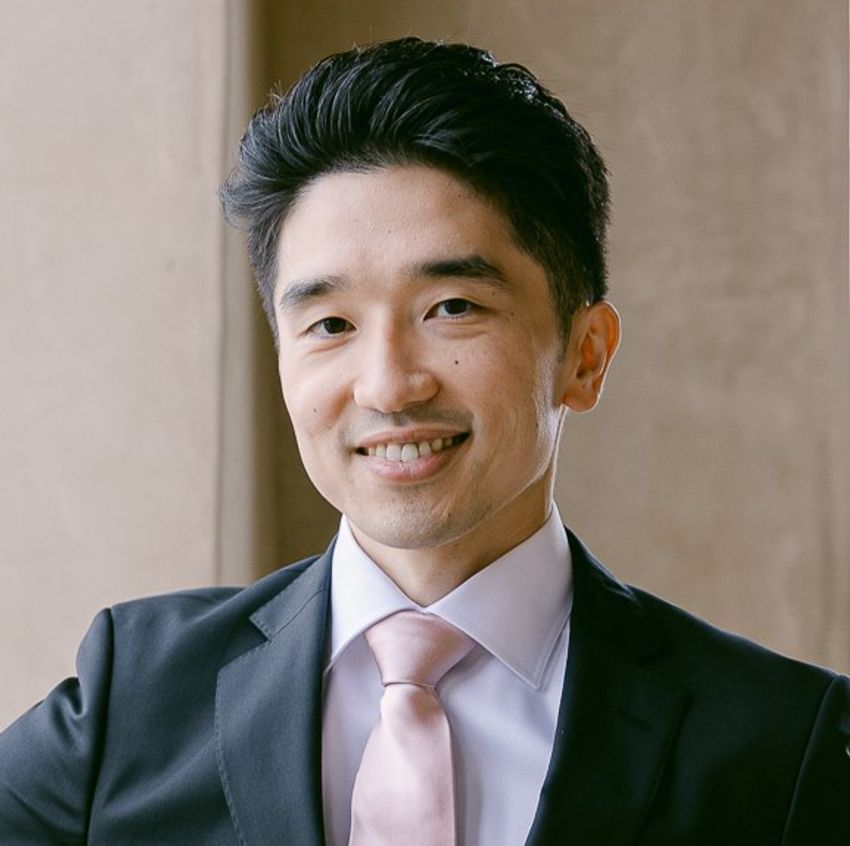
   Yosuke Kurokawa

Yosuke Kurokawa
PhD R&D Manager, R&D New Product Development 
FUJIFILM Biosciences


Sponsored by

  • Fujifilm
November digest cover
November 2026

Chemistry Meets Arcade Combat in “Reaction Rumble” Game

Choose your fighter! Enter the arena as chemical elements and dole out moves inspired by real-world reactions in this educational browser-based game.

View this Issue
Thumbnail

Make It Local, Make It Last: The Evolution of mRNA Protein Replacement Therapy

Engineering Bispecific Antibodies Against Emerging Viruses

Engineering Bispecific Antibodies Against Emerging Viruses

innovative-research-horizontal-lock-inverted-rgb-900px-w-72ppi
Advancing Research With Humanized Mouse Models

Advancing Research with Next-Generation Humanized Mouse Models

bioxcell
3d illustration showing amyloid plaques in Alzheimer's disease

Best Practices for Blood-Based Amyloid Pathology Testing

fujirebio logo

Products

Abstract image of circles and concentric lines on a blue and pink background.

MX Analytical and Precision Balances: Effortless Weighing and Secure Data Handling

Mettler
3D multicolored conceptual image of antibody molecules

Premium BsAb: LC-MS-Assisted Bispecific Antibody Production with >98% Heterodimer Purity

WuXi Biologics
Abstract conceptual image of AI technology for medical science research.

Exploring a New Era of Pharmaceutical Innovation

A photograph of plastic fragments floating in water, symbolizing contamination from sample storage tubes.

LVL SAFE® 2D-Coded Tubes: The Perfect Tube for Your Sample

AutoGen