This webinar, brought to you by Leica Biosystems, will be hosted live and available on-demand.
Thursday, October 29th, 2026
1:00 - 2:00 PM ET
Chronic traumatic encephalopathy (CTE) is defined by a characteristic pattern of perivascular hyperphosphorylated tau accumulation at the depths of cortical sulci, yet substantial neuropathological and clinical heterogeneity exists among affected individuals. Understanding this variation requires researchers to move beyond labor-intensive, semiquantitative tissue assessment toward scalable approaches capable of measuring pathological features across large collections of brain tissue. Automated digital pathology and computational analysis provide opportunities to quantify these features and investigate patterns associated with disease progression and clinical presentation.
In this webinar, brought to you by Leica Biosystems, Jonathan Cherry, and Agnes Haggerty, will explore how automated whole-slide imaging and computational pathology are advancing quantitative neurodegenerative disease research. Cherry will discuss studies using machine learning to identify CTE progression subtypes from regional tau measurements, predict tau density from routinely stained tissue, and compare semiquantitative, pixel-based, and AI-driven approaches to neuropathological assessment. Haggerty will examine how standardized whole-slide imaging can generate high-quality datasets for downstream AI analysis, improve reproducibility across studies, and support scalable biomarker discovery.
Attendees will:
- Examine why CTE exhibits neuropathological heterogeneity despite sharing a defining pathological lesion
- Learn how machine learning applied to quantitative regional tau data can reveal distinct patterns of CTE progression
- Compare semiquantitative scoring, automated pixel-based quantitation, and AI-driven approaches to neuropathological image assessment
- Explore how standardized whole-slide imaging can support reproducible, scalable computational pathology and biomarker research
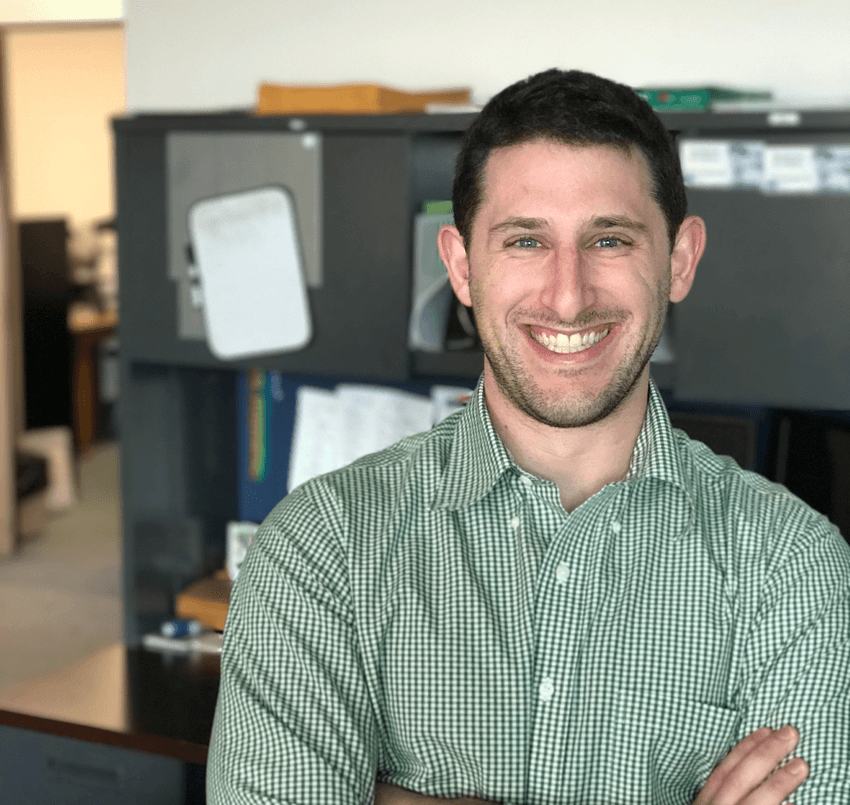 | Jonathan Cherry, PhD |
 | Agnes Haggerty, PhD |