Organoids: A Key Tool for Drug Discovery
Webinar

Organoids: A Key Tool for Drug Discovery

In this symposium, an expert panel will discuss how the latest organoid models help researchers discover and develop new drugs. 

Share

 LIVE Symposium

Thursday, October 16, 2025
11:00 AM - 2:40 PM ET

Advances in 3D cell culture allow scientists to create organoids, miniature organ-like structures that have a wide range of applications for understanding various diseases and disorders. Organoids are also ideal models to help researchers develop novel therapeutics for diseases. 

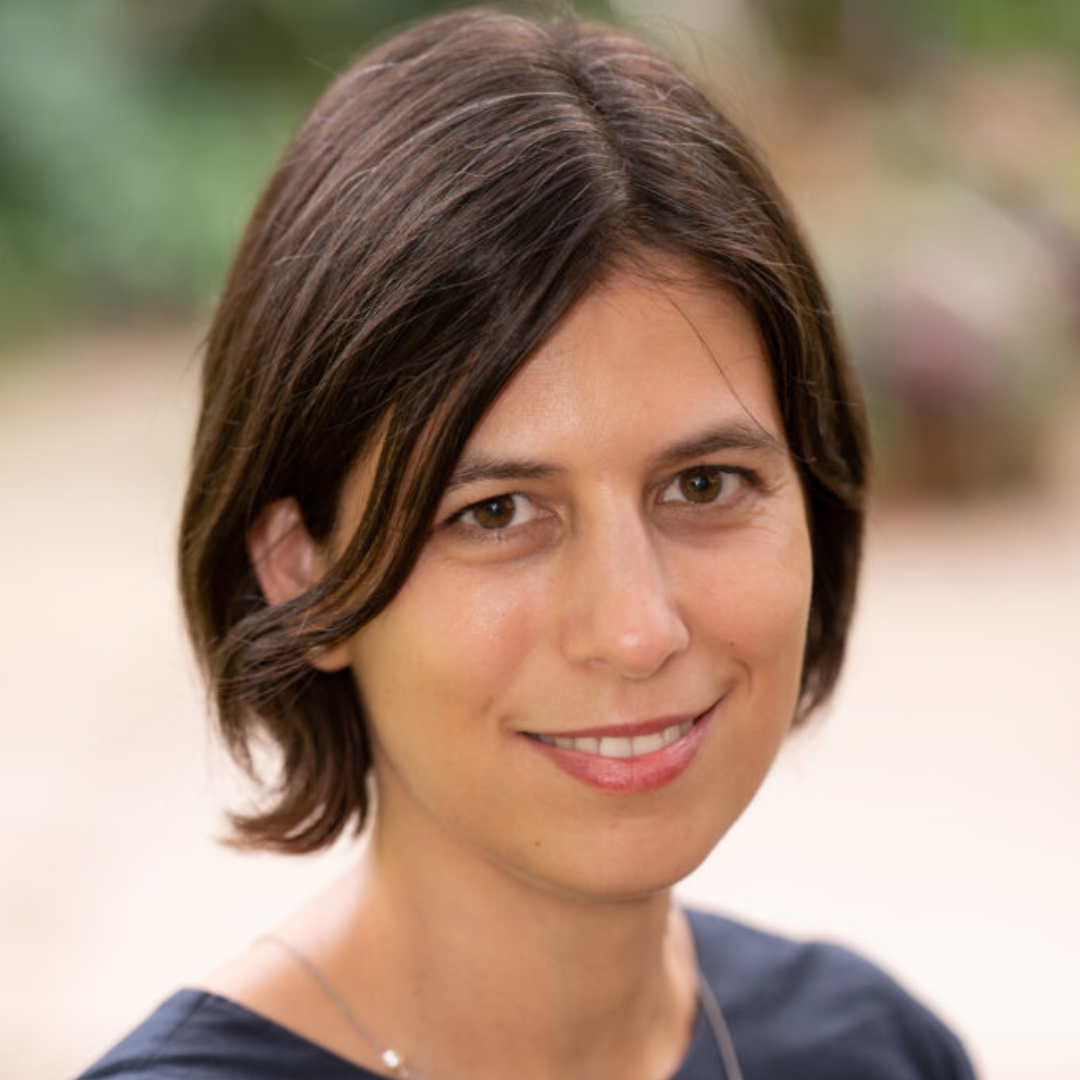
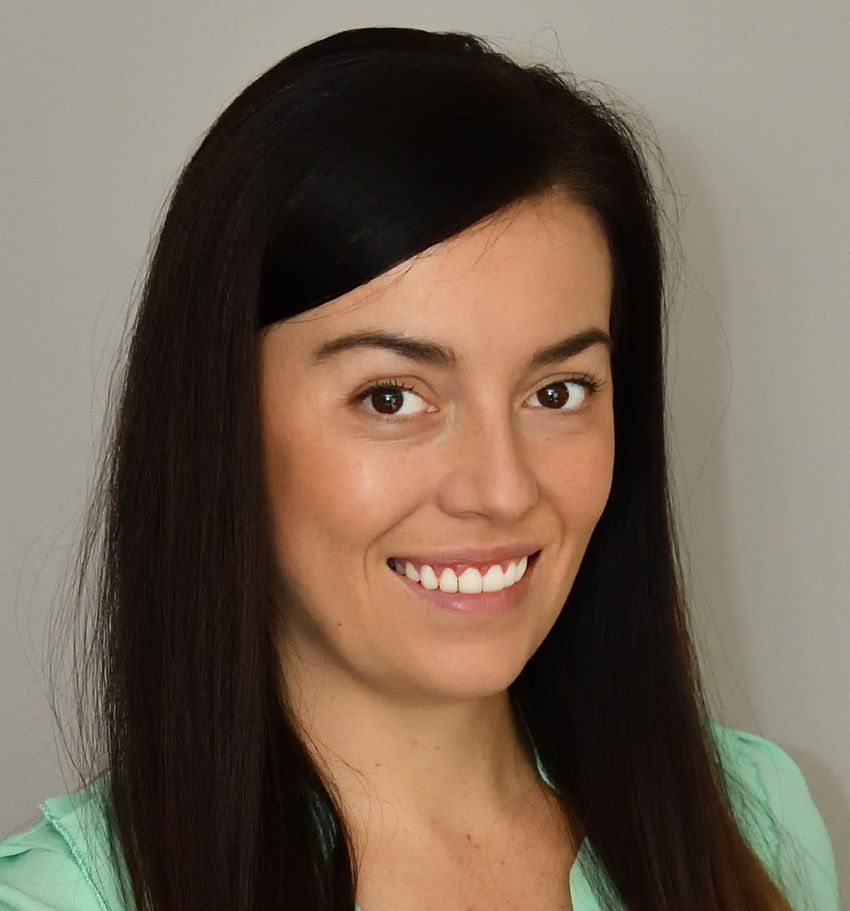
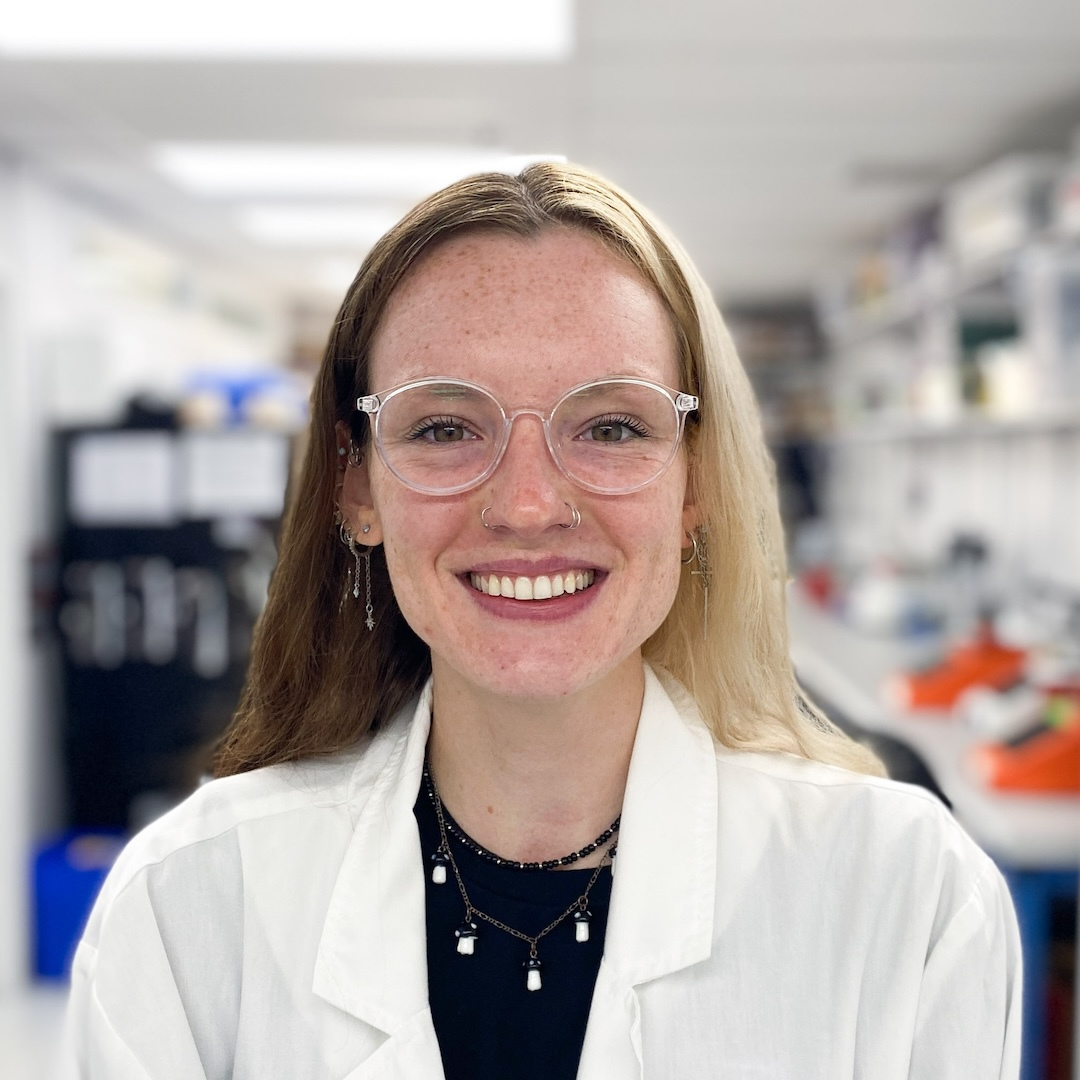
In this symposium brought to you by The Scientist, Thomas Durcan, Joana Neves, Natalia Vergara, Kacey Ronaldson-Bouchard, and Grace Emin will examine how scientists employ organoids for drug discovery, drug screening, and elucidating drug resistance mechanisms.
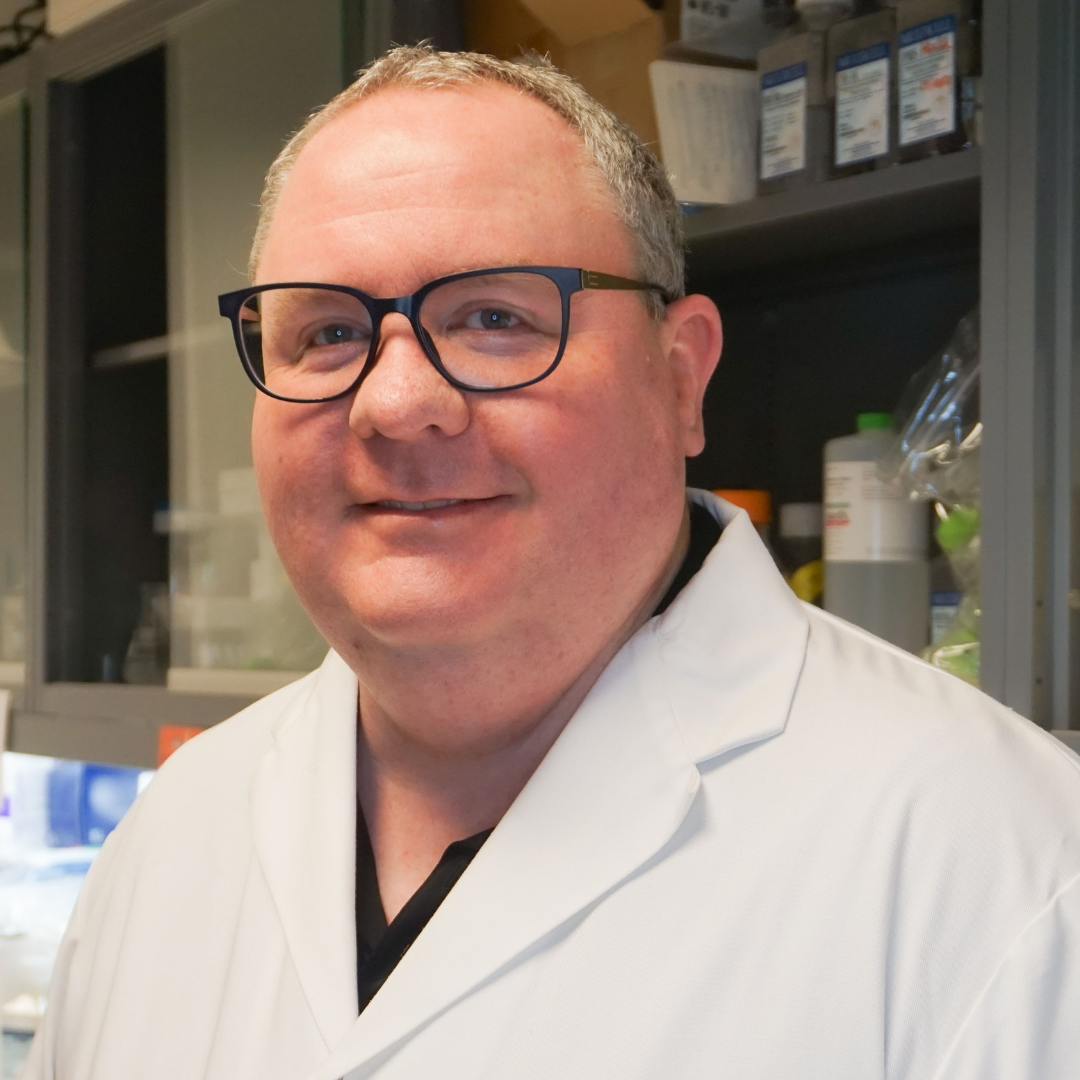
Thomas Durcan, PhD

Thomas Durcan, PhD
Director, The Neuro's Early Drug Discovery Unit (EDDU)
Killam Research Scholar
Associate Professor
The Neuro, McGill University

Joana Neves, PhD, FHEA

Joana Neves, PhD, FHEA
Senior Lecturer in Mucosal Immunology and Group Leader
Co-lead of Organoid Research Interest Group (ORIG)
Center for Host-Microbiome Interactions
King’s College London

          Natalia


Natalia Vergara, PhD
Assistant Professor
Sue-Anschutz-Rodgers Eye Center
University of Colorado School of Medicine

          Kacey Ronaldson-Bouchard, PhD


Kacey Ronaldson-Bouchard, PhD
Associate Research Scientist
Biomedical Engineering
Columbia University

Grace Emin


Grace Emin
Application Scientist
DeNovix Inc.

   Derek Sokolowski
Derek Sokolowski
Product Manager 
PHC Corporation of North America- Cell Culture
Jasmine Trigg
Jasmine Trigg
Scientist
Sartorius

Platinum Sponsor

PHC


Gold Sponsors

Sartorius


DeNovix


Silver Sponsors 

SinoBiological

BioXCell

Bio-Techne

Inventia

Stemcell Licorbio

Top Image Credit:

iStock: Natali_Mis

Image of a woman with her hands across her stomach. She has a look of discomfort on her face. There is a blown up image of her stomach next to her and it has colorful butterflies and gut bacteria all swarming within the gut.
November 2025, Issue 1

Why Do We Feel Butterflies in the Stomach?

These fluttering sensations are the brain’s reaction to certain emotions, which can be amplified or soothed by the gut’s own “bugs".

View this Issue
Olga Anczukow and Ryan Englander discuss how transcriptome splicing affects immune system function in lung cancer.

Long-Read RNA Sequencing Reveals a Regulatory Role for Splicing in Immunotherapy Responses

Pacific Biosciences logo
Research Roundtable: The Evolving World of Spatial Biology

Research Roundtable: The Evolving World of Spatial Biology

Conceptual cartoon image of gene editing technology

Exploring the State of the Art in Gene Editing Techniques

Bio-Rad
Conceptual image of a doctor holding a brain puzzle, representing Alzheimer's disease diagnosis.

Simplifying Early Alzheimer’s Disease Diagnosis with Blood Testing

fujirebio logo

Products

Eppendorf Logo

Research on rewiring neural circuit in fruit flies wins 2025 Eppendorf & Science Prize

Evident Logo

EVIDENT's New FLUOVIEW FV5000 Redefines the Boundaries of Confocal and Multiphoton Imaging

Evident Logo

EVIDENT Launches Sixth Annual Image of the Year Contest

10x Genomics Logo

10x Genomics Launches the Next Generation of Chromium Flex to Empower Scientists to Massively Scale Single Cell Research