December 2025
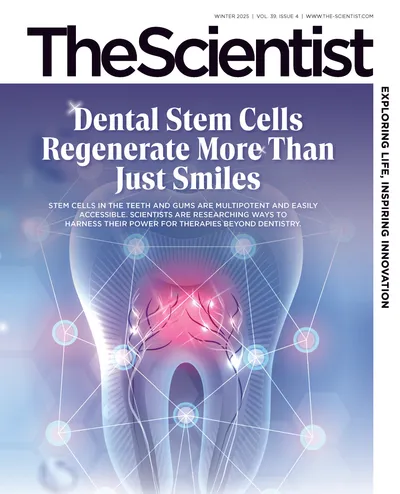
Dental Stem Cells Regenerate More Than Just Smiles
Stem cells in the teeth and gums are multipotent and easily accessible. Scientists are researching ways to harness their power for therapies beyond dentistry.
Features


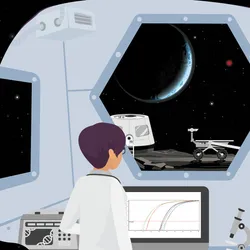
The Literature
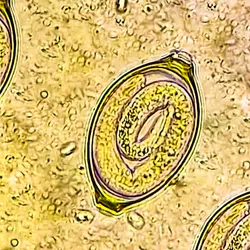
How Whipworms Tunnel Through the Gut
With complicated lifecycles and genetics, parasitic worms can be hard to study, but organoids unveil new insight into their biology and a path to better drugs.

What Are Tregs? Explaining 2025’s Nobel Prize Winning Research
Regulatory T cells, which prevent the immune system from attacking the body, were the subject of this year’s Physiology or Medicine Nobel Prize. How do they work?

Stomach Cells Vomit Waste, Not Digest It, To Mend Injuries
Scientists discovered a novel process, called cathartocytosis, where stomach cells “vomit” out their contents to quickly shrink and repair damaged tissue.
Foundations

RNA: From the Origin of Life to the Future of Medicine
Scientists are exploring how RNA might have jump-started life four billion years ago and how it's now advancing drug development with RNA-based therapies.
Profiles

Living Maps: Uncovering the Spatial Biology of Plants
Tatsuya Nobori brings high-resolution multiomic approaches to plant biology to map how plants interact with microbes on a cellular level in 3D.

Endometrial Organoids Open a Window into the Womb
Linda Griffith engineers human uterine endometrium in lab dishes, offering in vitro tools to study some uterine diseases and screen drugs to treat them.
Speaking of Science

A Spatial Skills Test
Are you game for this spatial biology challenge?
Editorial
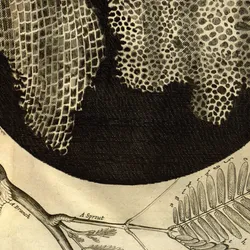
The Curious Case of Tiny Yet Mighty Cells
Isn't it fascinating that a cell, which is several orders of magnitude smaller than an organism, can inform scientists about the state of the entire being?
Contributors

Meet the Team: Niki Spahich
From eye-catching marketing to impactful education, Niki Spahich uses her creative flair to help bring scientific stories to life in every project.
Opinion
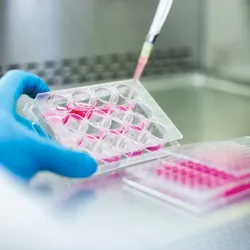
To Bring Cell Culture into the Future, Consider Microenvironments
Creating physiologically relevant conditions for cells that replicate in vivo environments can improve experimental results, cell therapy development, and more.