iStock
The Scientist Speaks

The Scientist Speaks - Rising From the Dead: How Antibiotic Resistance Genes Travel Between Current and Past Bacteria

Heather Kittredge and Sarah Evans discuss the environmental conditions that facilitate natural transformation in bacteria’s native habitat.  

Share

Scientists have known for a long time that microbes can take up extracellular DNA fragments, and they have leveraged this transformation process to genetically modify bacteria in the lab. However, transformation is quite fickle and depends on creating the right balance of reagent concentrations and cellular conditions. How this process takes place outside of the petri dish, in more natural bacterial environments such as soil, has proven more difficult to determine. 

In this episode, Nele Haelterman from The Scientist’s Creative Services Team spoke with Heather Kittredge, a postdoctoral research associate at the University of Connecticut, and Sarah Evans, an associate professor of integrative biology at Michigan State University, to learn more about natural transformation in bacteria and its implications for the rise in antibiotic resistance. 

The Scientist Speaks is a podcast produced by The Scientist’s Creative Services Team. Our podcast is by scientists and for scientists. Once a month, we bring you the stories behind news-worthy molecular biology research.

Speakers
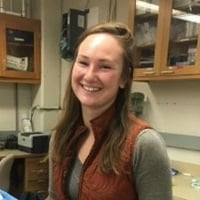
Heather.jpg 


Heather Kittredge, PhD
Postdoctoral Research Associate
Department of Ecology and Evolutionary Biology
University of Connecticut


Sarah.jpg 


Sarah Evans, PhD
Associate Professor
Department of Integrative Biology
W.K. Kellogg Biological Station
Michigan State University


More on this topic

Virulence Meets Metabolism: The Unique Evolution of Staphylococcus aureus 

Bacteria Go Dormant to Survive Antibiotics and Restart Infections

Top Image Credit:

iStock

Illustration of a developing fetus surrounded by a clear fluid with a subtle yellow tinge, representing amniotic fluid.
January 2026, Issue 1

What Is the Amniotic Fluid Composed of?

The liquid world of fetal development provides a rich source of nutrition and protection tailored to meet the needs of the growing fetus.

View this Issue
Skip the Wait for Protein Stability Data with Aunty

Skip the Wait for Protein Stability Data with Aunty

Unchained Labs
Graphic of three DNA helices in various colors

An Automated DNA-to-Data Framework for Production-Scale Sequencing

illumina
Exploring Cellular Organization with Spatial Proteomics

Exploring Cellular Organization with Spatial Proteomics

Abstract illustration of spheres with multiple layers, representing endoderm, ectoderm, and mesoderm derived organoids

Organoid Origins and How to Grow Them

Thermo Fisher Logo

Products

Brandtech Logo

BRANDTECH Scientific Introduces the Transferpette® pro Micropipette: A New Twist on Comfort and Control

Biotium Logo

Biotium Launches GlycoLiner™ Cell Surface Glycoprotein Labeling Kits for Rapid and Selective Cell Surface Imaging

Colorful abstract spiral dot pattern on a black background

Thermo Scientific X and S Series General Purpose Centrifuges

Thermo Fisher Logo
Abstract background with red and blue laser lights

VANTAstar Flexible microplate reader with simplified workflows

BMG LABTECH









