
Women's Health Research / Breast Cancer

Edited by: Karen Young Kreeger REAL RISKS: Harvard’s Graham Colditz found a higher risk of breast cancer in women who took estrogen and progestin. G.A. Colditz, S.E. Hankinson, D.J. Hunter, W.C. Willett, J.E. Manson, M.J. Stampfer, C. Hennekens, B. Rosner, F.E. Speizer, "The use of estrogens and progestins and the risk of breast cancer in postmenopausal women," New England Journal of Medicine, 332:1589-93, 1995. (Cited in nearly 140 publications as of December 1996) Comments by Graham

| 2 min read

Register for free to listen to this article
Listen with Speechify
0:00
2:00

Edited by: Karen Young Kreeger
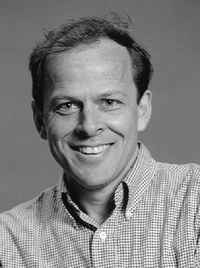

REAL RISKS: Harvard’s Graham Colditz found a higher risk of breast cancer in women who took estrogen and progestin.
G.A. Colditz, S.E. Hankinson, D.J. Hunter, W.C. Willett, J.E. Manson, M.J. Stampfer, C. Hennekens, B. Rosner, F.E. Speizer, "The use of estrogens and progestins and the risk of breast cancer in postmenopausal women," New England Journal of Medicine, 332:1589-93, 1995. (Cited in nearly 140 publications as of December 1996)

Comments by Graham A. Colditz, Harvard Medical School

This paper has its roots in the pioneering days of women's health research. It began with the Nurse's Health Study, a prospective investigation of 121,000 women begun in 1976 to examine the relationship between contraceptives and breast cancer. In 1978 the study's aims were broadened to include the use of hormones administered to postmenopausal women and its relationship to breast and other cancers.

The goal of the present study ...

Interested in reading more?

Become a Member of

The Scientist Logo
Receive full access to digital editions of The Scientist, as well as TS Digest, feature stories, more than 35 years of archives, and much more!
Already a member?
Add The Scientist as a preferred source on Google

Add The Scientist as a preferred Google source to see more of our trusted coverage.

Published In

Related articles background image
August 2026 Digest cover
August 2026

Epic Fail: Sea-Monkeys Sabotage Fieldwork

When Barry Hicks set out to photograph thrombolites, thousands of unexpected visitors photobombed his underwater images.

View this Issue
Improving rAAV Production for Viral Vector Manufacturing

Improving rAAV Production for Viral Vector Manufacturing

cytiva logo
Advancing Respiratory Immunity Through Tissue-Resident Memory T Cell Research

Advancing Respiratory Immunity Through Tissue-Resident Memory T Cell Research

Miltenyi
Scientist holding a clear 384-well PCR microplate in a laboratory

What Dictates PCR Success Before Amplification Begins?

Integra Logo
Overcoming Immunotherapy Resistance in Liver Cancer

Overcoming Immunotherapy Resistance in Liver Cancer

Axion Biosystems

Products

Sino Biological Logo

Sino Biological Launches European Newsletter Campaign with Exclusive Welcome Gifts

Sino Biological Logo

Sino Biological Launches SuperNuclease ® Pro with Free Trial Program

Sino Biological Logo

Sino Biological Launches Precisely Characterized Full-Length p-Tau217 Protein to Advance Next-Generation Alzheimer’s Biomarker Assay Development

A photo of a scientist placing the Resipher device on a 96-well plate.

Resipher: Continuous Live-Cell Mitochondrial Respiration Monitoring in 96-Well Plates

Lucid Scientific logo











