


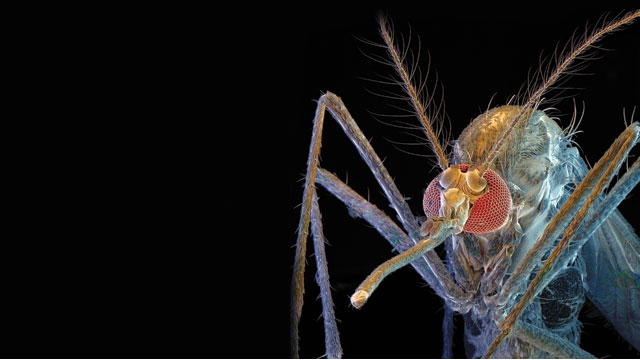
 © DAVID SCHARF/GETTY IMAGESIn 1961, during the first dengue outbreak physician Scott Halstead ever witnessed, children poured into Bangkok’s hospitals, passing and vomiting blood, faint from blisteringly high fevers. Twenty percent of the children would die within a few days as doctors scrambled to find treatments, with some in nearby Vietnam even plunging children into ice baths in an attempt to hold down their soaring temperatures.
The deadly illness caused by dengue virus wasn’t yet known as dengue in Thailand; doctors there referred to it as “Chinese medicine poisoning” based on a demographic quirk. Although half the city’s population was Chinese, the only time Thai doctors—who practiced Western medicine—treated Chinese children was when the children had been stricken with this mysterious, deadly illness. Thus, doctors imagined that a horrific poisoning caused by Eastern remedies was responsible for the influx of Chinese patients. Instead, Halstead explains, Chinese parents had quickly learned that the hospital, rather than traditional medicine, was the best bet—however slim the chances—for defeating dengue.
Halstead who was drafted into the US Army after World War II and originally sent to Japan in 1957 to study encephalitis, had just settled ...












