Continued Fallout from Macchiarini Misconduct

The sacked researcher and surgeon was not properly vetted by the Swedish institutions that hired him in 2010, according to an independent review panel.

Written byBob Grant
| 2 min read

Register for free to listen to this article
Listen with Speechify
0:00
2:00
Share

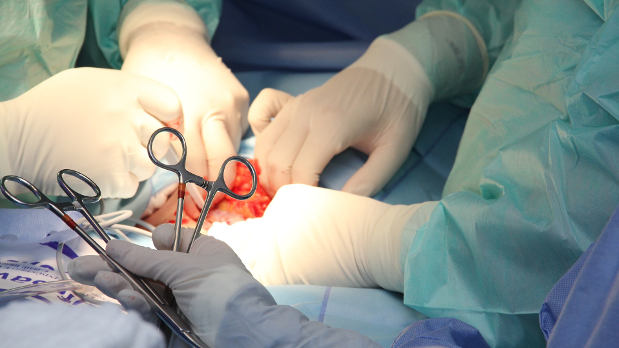
PIXABAY, DEBORABALVESThe swath of destruction caused by the alleged misconduct and fraud of surgeon Paolo Macchiarini continues to widen, as an independent panel reviews his case. In a report released last week (August 31), investigators commissioned by the Karolinska University Hospital—where Macchiarini used to work—stated that both the hospital and the Karolinska Institute (KI) failed to heed warning signs that the artificial organ researcher’s skill and professionalism was not up to par with the reputation he had cultivated in the popular press.

“Macchiarini was recruited as a senior physician at the hospital even though there were strongly critical opinions from his previous employers,” the investigators wrote. “Group thinking, bandwagon effects, a very competitive care environment, many informal leaders and deficient knowledge of and respect for rules are some of the factors that may have contributed to the course of events.”

Two KI officials are suffering backlash from the Macchiarini case. Anders Hamsten, who had already resigned from the institute’s vice-chancellor position over his role in hiring Macchiarini, and Harriet Wallberg, who was president of KI when the surgeon was hired, were both dismissed from the panel that awards Nobel Prizes for Medicine, according to The Guardian. In addition, Wallberg was fired from her post as the chancellor ...

Interested in reading more?

Become a Member of

The Scientist Logo
Receive full access to more than 35 years of archives, as well as TS Digest, digital editions of The Scientist, feature stories, and much more!
Already a member? Login Here

Related Topics

Meet the Author

  • From 2017 to 2022, Bob Grant was Editor in Chief of The Scientist, where he started in 2007 as a Staff Writer. Before joining the team, he worked as a reporter at Audubon and earned a master’s degree in science journalism from New York University. In his previous life, he pursued a career in science, getting a bachelor’s degree in wildlife biology from Montana State University and a master’s degree in marine biology from the College of Charleston in South Carolina. Bob edited Reading Frames and other sections of the magazine.

    View Full Profile
Share
Illustration of a developing fetus surrounded by a clear fluid with a subtle yellow tinge, representing amniotic fluid.
January 2026, Issue 1

What Is the Amniotic Fluid Composed of?

The liquid world of fetal development provides a rich source of nutrition and protection tailored to meet the needs of the growing fetus.

View this Issue
Skip the Wait for Protein Stability Data with Aunty

Skip the Wait for Protein Stability Data with Aunty

Unchained Labs
Graphic of three DNA helices in various colors

An Automated DNA-to-Data Framework for Production-Scale Sequencing

illumina
Exploring Cellular Organization with Spatial Proteomics

Exploring Cellular Organization with Spatial Proteomics

Abstract illustration of spheres with multiple layers, representing endoderm, ectoderm, and mesoderm derived organoids

Organoid Origins and How to Grow Them

Thermo Fisher Logo

Products

Brandtech Logo

BRANDTECH Scientific Introduces the Transferpette® pro Micropipette: A New Twist on Comfort and Control

Biotium Logo

Biotium Launches GlycoLiner™ Cell Surface Glycoprotein Labeling Kits for Rapid and Selective Cell Surface Imaging

Colorful abstract spiral dot pattern on a black background

Thermo Scientific X and S Series General Purpose Centrifuges

Thermo Fisher Logo
Abstract background with red and blue laser lights

VANTAstar Flexible microplate reader with simplified workflows

BMG LABTECH










