CDC Identifies Seoul Virus Outbreak Among Pet Rat Owners

These are the first known cases of individuals catching the virus from their pets in Canada or the U.S.

Written byDiana Kwon
| 2 min read

Register for free to listen to this article
Listen with Speechify
0:00
2:00

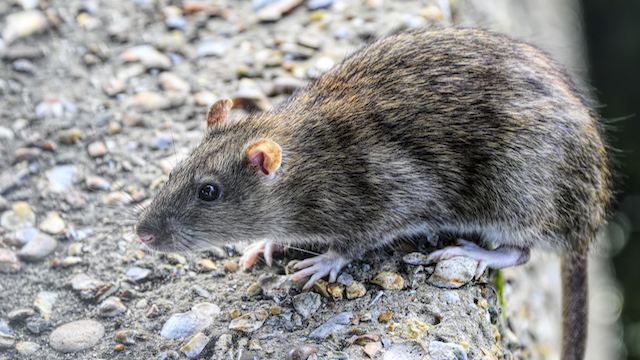
A Norway rat (Rattus norvegicus)ISTOCK, WHITEWAY

A total of 31 pet supply stores, breeders, and homes across 11 US states have reported cases of Seoul virus infection, a rodent-borne hantavirus, in either humans or rats, according to a report published last week (February 2) by the Centers for Disease Control and Prevention (CDC). These are the first known instances of transmission from pet rats to their human owners in Canada or the U.S.

The CDC first identified cases of pet-rat-to-human transmission of Seoul virus in late 2016 when they were notified of local cases from health officials in Tennessee and Wisconsin. According to the report, one patient, who was hospitalized with influenza-like symptoms such as fever and a low white blood cell count, owned and operated an in-home rat-breeding facility (a ...

Interested in reading more?

Become a Member of

The Scientist Logo
Receive full access to more than 35 years of archives, as well as TS Digest, digital editions of The Scientist, feature stories, and much more!
Already a member?
Add The Scientist as a preferred source on Google

Add The Scientist as a preferred Google source to see more of our trusted coverage.

Meet the Author

  • Diana is a freelance science journalist who covers the life sciences, health, and academic life. She’s a regular contributor to The Scientist and her work has appeared in several other publications, including Scientific American, Knowable, and Quanta. Diana was a former intern at The Scientist and she holds a master’s degree in neuroscience from McGill University. She’s currently based in Berlin, Germany.

    View Full Profile

Related Topics

Related articles background image
August 2026 Digest cover
August 2026

Epic Fail: Sea-Monkeys Sabotage Fieldwork

When Barry Hicks set out to photograph thrombolites, thousands of unexpected visitors photobombed his underwater images.

View this Issue
Improving rAAV Production for Viral Vector Manufacturing

Improving rAAV Production for Viral Vector Manufacturing

cytiva logo
Advancing Respiratory Immunity Through Tissue-Resident Memory T Cell Research

Advancing Respiratory Immunity Through Tissue-Resident Memory T Cell Research

Miltenyi
Scientist holding a clear 384-well PCR microplate in a laboratory

What Dictates PCR Success Before Amplification Begins?

Integra Logo
Overcoming Immunotherapy Resistance in Liver Cancer

Overcoming Immunotherapy Resistance in Liver Cancer

Axion Biosystems

Products

Sino Biological Logo

Sino Biological Launches European Newsletter Campaign with Exclusive Welcome Gifts

Sino Biological Logo

Sino Biological Launches SuperNuclease ® Pro with Free Trial Program

Sino Biological Logo

Sino Biological Launches Precisely Characterized Full-Length p-Tau217 Protein to Advance Next-Generation Alzheimer’s Biomarker Assay Development

A photo of a scientist placing the Resipher device on a 96-well plate.

Resipher: Continuous Live-Cell Mitochondrial Respiration Monitoring in 96-Well Plates

Lucid Scientific logo










