


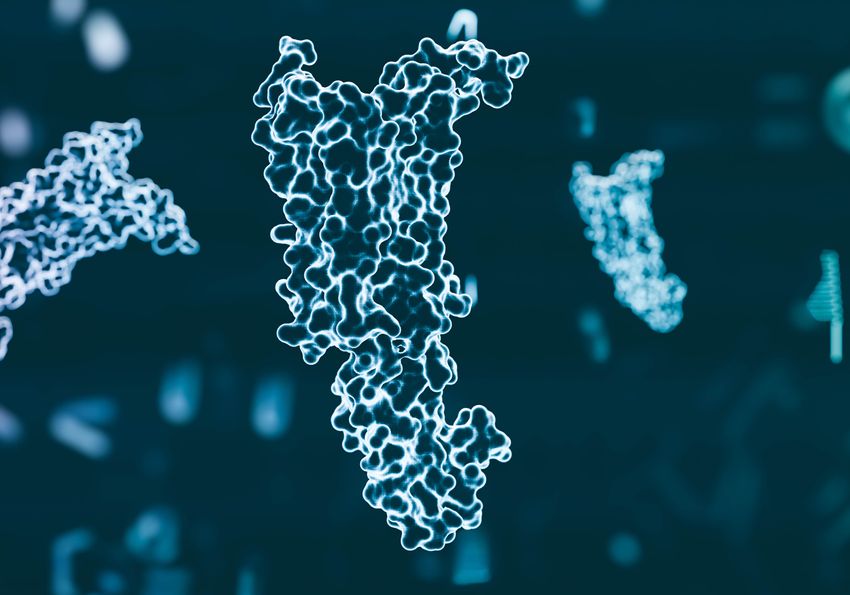
GLP-1 mimicking molecules are increasingly relevant tools in metabolic, cardiovascular, and neurologic preclinical research.
©iStock, CIPhotos
Over the past two decades, the discovery of the incretin hormone glucagon-like peptide-1 (GLP-1) and the subsequent success of blockbuster diabetes medications targeting GLP-1 signaling transformed the translational research field.1,2 As scientists continue to investigate established and new therapeutic applications, GLP-1 receptor (GLP-1R) agonists such as semaglutide, dulaglutide, and tirzepatide have become increasingly relevant tools in preclinical research.
GLP-1 Mechanisms
GLP-1R agonists are peptides that imitate the endogenous role of GLP-1. Specific intestinal cells naturally produce GLP-1 after a meal, which activates GLP-1Rs throughout the body to stimulate insulin and suppress glucagon biosynthesis, delay gastric emptying, improve glucose metabolism, and increase satiety.2 Many cell types express GLP-1Rs, including cells in the pancreas, digestive tract, heart and skeletal muscle, liver, central nervous system, and immune system, prompting multisystem interest among researchers studying GLP-1R agonists.2
Use in Preclinical Research
In preclinical research, scientists investigate GLP-1R agonists using animal models, most commonly rodent models such as mice and rats, and sometimes nonhuman primate models. Researchers typically administer GLP-1R agonist peptides via subcutaneous injection and use human-equivalent doses adjusted for the model’s body surface area or metabolic rate. Such preclinical models are critical to evaluate potentially therapeutic mechanisms and safety considerations, including metabolic, cardiovascular, and neuroprotective effects induced by targeting GLP-1 signaling.2
Metabolic models
Scientists evaluate glucose tolerance, insulin sensitivity, and pancreatic beta cell function in type 2 diabetes mouse models. High fat-diet mouse models can also help researchers track body weight, food intake, energy expenditure, and adiposity in the laboratory. These preclinical models allow scientists to investigate key GLP-1 therapeutic pathways, including insulin secretion, glucagon production, gastric emptying, and satiety. Additionally, researchers use preclinical models to examine how the metabolic effects of dual gastric inhibitory polypeptide (GIP)/GLP-1R agonists such as tirzepatide mediate anti-inflammatory and anti-fibrotic benefits, such as in metabolic dysfunction-associated steatotic liver disease.3
Cardiovascular and renal disease models
Preclinical models of atherosclerosis, hypertension, heart failure, and chronic kidney disease (CKD) enable scientists to determine how GLP-1R agonists influence vascular health. For example, researchers demonstrated that liraglutide improves atrial inflammatory signaling in heart attack mouse models, revealing a possible mechanism for its role in reducing cardiovascular disease risks in patients with type 2 diabetes.2
Neurological and behavioral models
Because GLP-1R agonists cross the blood-brain barrier to influence appetite via hypothalamic signaling and reward pathways, researchers are increasingly interested in how these peptides affect preclinical models related to the central nervous system.1 For instance, scientists investigate GLP-1 analogs such as albiglutide, dulaglutide, and tirzepatide in Alzheimer's disease, Parkinson's disease, and stroke models, examining neuroprotective and anti-inflammatory properties in the brain.4
Types of GLP-1 Peptides for Preclinical Studies
Bio X Cell’s new GLP-1 peptide products—Semaglutide, Dulaglutide, and Tirzepatide—are part of the InVivoSim™ product family. These high-purity, in vivo-ready reagents are ideal for preclinical research in metabolic, cardiovascular, and neuroprotective investigations. Semaglutide is a GLP-1 receptor agonist that mimics GLP-1 to enhance insulin secretion, reduce glucagon, delay gastric emptying, and promote satiety. Similar to Semaglutide, the GLP-1R agonist Dulaglutide is fused to a modified immunoglobulin Fc fragment to extend the peptide’s half-life. Finally, Tirzepatide is a dual GIP and GLP-1R agonist that stimulates both receptors, potentially offering greater metabolic benefits than GLP-1 agonism alone and enabling mechanistic interplay studies. From basic biology to translational breakthroughs, these tools enable deeper investigations into GLP-1 signaling in metabolism and beyond.
- Knudsen LB, Lau J. The discovery and development of liraglutide and semaglutide. Front Endocrinol (Lausanne). 2019;10:155.
- Wilbon SS, Kolonin MG. GLP1 receptor agonists–Effects beyond obesity and diabetes. Cells. 2023;13(1):65.
- Jeong B-K, et al. A male mouse model for metabolic dysfunction-associated steatotic liver disease and hepatocellular carcinoma. Nat Commun. 2024;15:6506.
- Rhea EM, et al. Brain uptake pharmacokinetics of albiglutide, dulaglutide, tirzepatide, and DA5-CH in the search for new treatments of Alzheimer's and Parkinson's diseases. Tissue Barriers. 2024;12(4):2292461.















