INTEGRA offers tips and tricks to solve your pipetting challenges

| 2 min read

Register for free to listen to this article
Listen with Speechify
0:00
2:00
Share

INTEGRA Biosciences has created a series of videos to help life sciences researchers improve pipetting accuracy and precision. Distilling decades of combined experience into easy-to-follow guides, these videos are designed to help researchers understand when and how to use both manual and electronic pipettes, as well as covering techniques for pre-wetting, ‘problem liquids’ and basic pipette maintenance.

Correct liquid handling techniques ensure consistently high reproducibility and reliability, yet some researchers still have bad habits that lead to inconsistencies, even if protocols are performed the same way every time. While the emphasis of quality assurance measures has typically been on pipette calibration, repair and maintenance, ensuring consistent pipetting technique is just as pivotal to the efficiency of workflows and the success of projects.
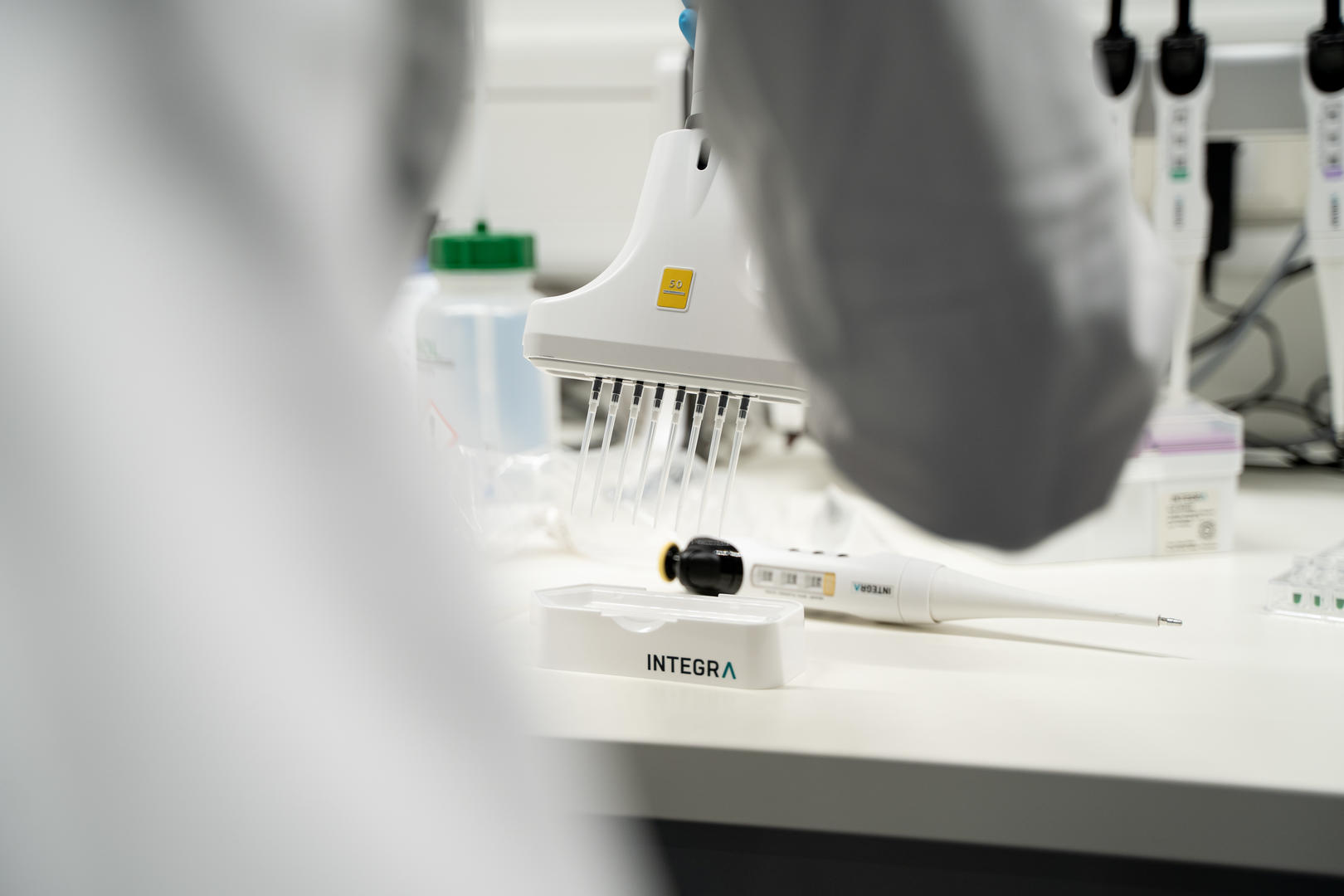
This new video series highlights the factors operators need to consider to ensure results are not affected by common liquid handling errors. For example, when and where to ...

Interested in reading more?

Become a Member of

The Scientist Logo
Receive full access to more than 35 years of archives, as well as TS Digest, digital editions of The Scientist, feature stories, and much more!
Already a member? Login Here
Illustration of a developing fetus surrounded by a clear fluid with a subtle yellow tinge, representing amniotic fluid.
January 2026, Issue 1

What Is the Amniotic Fluid Composed of?

The liquid world of fetal development provides a rich source of nutrition and protection tailored to meet the needs of the growing fetus.

View this Issue
Skip the Wait for Protein Stability Data with Aunty

Skip the Wait for Protein Stability Data with Aunty

Unchained Labs
Graphic of three DNA helices in various colors

An Automated DNA-to-Data Framework for Production-Scale Sequencing

illumina
Exploring Cellular Organization with Spatial Proteomics

Exploring Cellular Organization with Spatial Proteomics

Abstract illustration of spheres with multiple layers, representing endoderm, ectoderm, and mesoderm derived organoids

Organoid Origins and How to Grow Them

Thermo Fisher Logo

Products

nuclera logo

Nuclera eProtein Discovery System installed at leading Universities in Taiwan

Brandtech Logo

BRANDTECH Scientific Introduces the Transferpette® pro Micropipette: A New Twist on Comfort and Control

Biotium Logo

Biotium Launches GlycoLiner™ Cell Surface Glycoprotein Labeling Kits for Rapid and Selective Cell Surface Imaging

Colorful abstract spiral dot pattern on a black background

Thermo Scientific X and S Series General Purpose Centrifuges

Thermo Fisher Logo






