


 WIKIMEDIA, DATABASE CENTER FOR LIFE SCIENCELong thought to lack a lymphatic system, the mouse brain indeed contains lymphatic vessels similar to those found elsewhere in the body, researchers reported this week (June 1) in Nature.
“These structures are bona fide vessels—they express all the same markers as lymphatic vessels in every other tissue, and they drain the CSF, the cerebrospinal fluid, from the brain and the spinal cord into the deep cervical lymph nodes,” the University of Virginia’s Jonathan Kipnis, who led the work, told The Scientist. “So there’s a direct connection between the CSF and the draining lymph nodes.”
“This, in a way, is a breakthrough study because it shows the presence and functionality of a lymphatic vessel in the dura mater,” a thick membrane that surrounds the brain and spinal cord, noted immunologist Jon Laman of the Erasmus University Medical Center in Rotterdam, the Netherlands, who was not involved in the research.
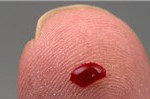 FLICKR, ALDEN CHADWICKWith just a drop of blood, researchers were able to detect many of the viruses that healthy study participants had been exposed to throughout their lives. Harvard University’s Stephen Elledge and his colleagues described their antibody-based screening approach, VirScan, in Science this week (June 4).














