NIH Issues Genomic Data Sharing Rules

Updated guidelines expand upon existing policy to include more kinds of data.

Written byJyoti Madhusoodanan
| 1 min read

Register for free to listen to this article
Listen with Speechify
0:00
1:00
Share

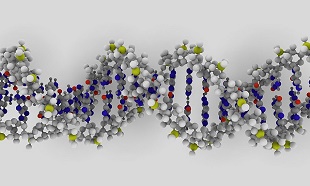
FLICKR, YNSEGathering and sharing human genomic data is crucial to medical advances. But making such data available also raises concerns about participant privacy and consent.

A final Genomic Data Sharing (GDS) policy announced by the National Institutes of Health (NIH) yesterday (August 27) replaces the current genome-wide association study (GWAS) data policy, which was instituted in 2007, expanding upon it to include more data types. “The increasing volume and complexity of genomic data creates an urgent need for alternative data management and analysis mechanisms,” the NIH policy-making team wrote in Nature Genetics yesterday (August 27). Recent studies have also demonstrated that individual participants’ identities can be deduced from aggregate, anonymized data sets such as the 1,000 Genomes Project.

A two-tiered access system that helps ensure that such data is used in a controlled manner was part of the previous GWAS data policy, and will continue under the new GDS guidelines. ...

Interested in reading more?

Become a Member of

The Scientist Logo
Receive full access to more than 35 years of archives, as well as TS Digest, digital editions of The Scientist, feature stories, and much more!
Already a member? Login Here
Illustration of a developing fetus surrounded by a clear fluid with a subtle yellow tinge, representing amniotic fluid.
January 2026, Issue 1

What Is the Amniotic Fluid Composed of?

The liquid world of fetal development provides a rich source of nutrition and protection tailored to meet the needs of the growing fetus.

View this Issue
Skip the Wait for Protein Stability Data with Aunty

Skip the Wait for Protein Stability Data with Aunty

Unchained Labs
Graphic of three DNA helices in various colors

An Automated DNA-to-Data Framework for Production-Scale Sequencing

illumina
Exploring Cellular Organization with Spatial Proteomics

Exploring Cellular Organization with Spatial Proteomics

Abstract illustration of spheres with multiple layers, representing endoderm, ectoderm, and mesoderm derived organoids

Organoid Origins and How to Grow Them

Thermo Fisher Logo

Products

Brandtech Logo

BRANDTECH Scientific Introduces the Transferpette® pro Micropipette: A New Twist on Comfort and Control

Biotium Logo

Biotium Launches GlycoLiner™ Cell Surface Glycoprotein Labeling Kits for Rapid and Selective Cell Surface Imaging

Colorful abstract spiral dot pattern on a black background

Thermo Scientific X and S Series General Purpose Centrifuges

Thermo Fisher Logo
Abstract background with red and blue laser lights

VANTAstar Flexible microplate reader with simplified workflows

BMG LABTECH










