The Scientist - Home

Latest

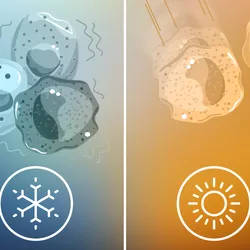
Illustration depicting how environmental changes affect the immune system. On the left, cold temperatures slow the immune system down, and cells are less active. On the right, warm weather promotes immune system activity.

Why Does the Immune System Struggle When the Weather Changes?

A venomous purple-spotted pit viper perched on a tree branch.

AI Unlocks Antibiotic Potential in Deadly Venoms

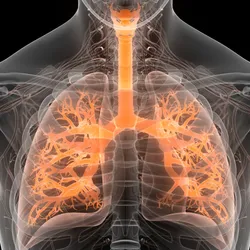
Illustration of a transparent human torso with the respiratory tract and alveoli highlighted in light orange to indicate asthma.

Obesity-Associated Asthma Has a Dietary Source

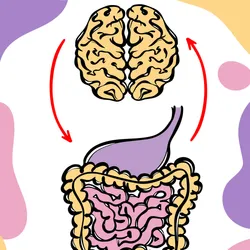
Illustrated image of a brain and the intestinal tract. There are two red arrows that point from one to the other. The background is white with colorful blobs of purple, pink, and yellow.

Gut Immune Cells Travel to the Brain in Alzheimer’s Disease

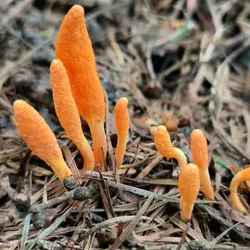
A cluster of bright orange, club-shaped fruiting bodies of the Cordyceps militaris fungus emerging from a caterpillar pupa is shown, surrounded by dry pine needles and forest floor debris.

This Fungus Tricks Silkworms Into Binge-Eating for its Own Gain

A 3D illustration shows molecules passing through an ion channel in a cell membrane.

Synthetic Peptide Calms Overactive Electrical Channels in Cells

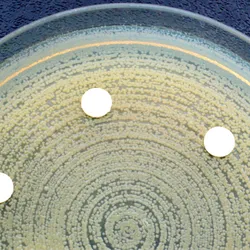
A petri dish with multidrug resistant bacterial colonies.

Sniffing Out Antimicrobial Resistance with AI and Sensors

A young black cat poses in front of a green wall. It has its mouth open, signifying where oral cancers, a fatal disease in cats, would be found.

First-of-Its-Kind Drug Shrunk Oral Tumors in Pet Cats 

An illustration of mitochondria, which starve parasites like Toxoplasma gondii, colored green.

Mitochondria Deprive Parasites of Folate to Thwart Their Growth

Illustration showing several people’s arms raised and holding signs with faces that either depict neutral yellow faces, unhappy red faces, or happy green faces. This image is emphasizing mixed reactions to an announcement.

NIH’s Priorities Announcement Receives Mixed Responses from Researchers

A view of what early Earth could have looked like with cliffs and pools of water where life may have originated.

RNA and Sulfur Compounds Possibly Created the First Peptides on Earth

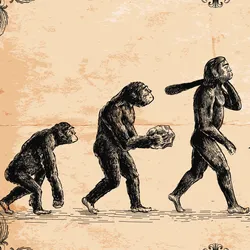
Classic representative image of primate evolution from quadrupeds to bipeds on a vintage, neutral toned background.

Two Changes in Bone Development Allowed Humans to Stand on Two Legs

Illustration of a developing fetus surrounded by a clear fluid with a subtle yellow tinge, representing amniotic fluid.
January 2026

What Is the Amniotic Fluid Composed of?

The liquid world of fetal development provides a rich source of nutrition and protection tailored to meet the needs of the growing fetus.

View this Issue

Human-Relevant In Vitro Models Enable Predictive Drug Discovery

Advancing Drug Discovery with Complex Human In Vitro Models

Stemcell Technologies
Redefining Immunology Through Advanced Technologies

Redefining Immunology Through Advanced Technologies

Ensuring Regulatory Compliance in AAV Manufacturing with Analytical Ultracentrifugation

Ensuring Regulatory Compliance in AAV Manufacturing with Analytical Ultracentrifugation

Beckman Coulter Logo
Conceptual multicolored vector image of cancer research, depicting various biomedical approaches to cancer therapy

Maximizing Cancer Research Model Systems

bioxcell

Products

Refeyn logo

Refeyn named in the Sunday Times 100 Tech list of the UK’s fastest-growing technology companies

Parse Logo

Parse Biosciences and Graph Therapeutics Partner to Build Large Functional Immune Perturbation Atlas

Sino Biological Logo

Sino Biological's Launch of SwiftFluo® TR-FRET Kits Pioneers a New Era in High-Throughout Kinase Inhibitor Screening

SPT Labtech Logo

SPT Labtech enables automated Twist Bioscience NGS library preparation workflows on SPT's firefly platform