Immunological Differences Between Lab Mice and Wild Mice

Discrepancies in the populations’ immune systems suggest murine models of immunological disorders possess more limitations than scientists had appreciated.

Written byDiana Kwon
| 1 min read

Register for free to listen to this article
Listen with Speechify
0:00
1:00
Share

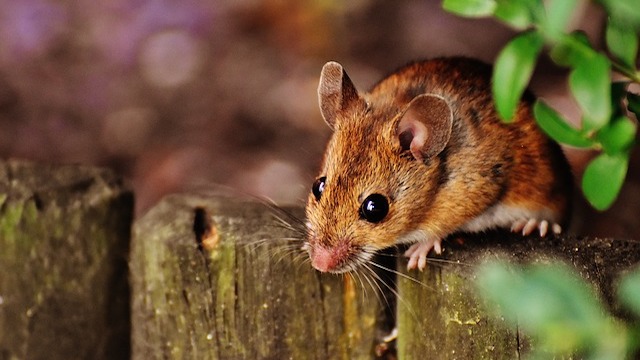
PIXABAY, ALEXAS_FOTOSDespite being one of the most commonly used animals in biomedical research, laboratory mice may not be make the best models for immunology studies, according to a paper published this week (May 3) in Nature Communications.

Researchers at the University of Bristol and the London School of Hygiene & Tropical Medicine compared the immune systems of 181 wild-caught house mice with 64 laboratory-raised animals (Mus musculus domesticus). Compared to the lab mice, the wild mice had highly active immune systems, and 57 of 62 immunological measures, such as serum protein concentrations and natural killer cell populations, differed between the two groups. Lab mice also displayed more sex-related differences than wild ones.

“These results point to us having to be much more cautious in extrapolating from the lab to the wild, but laboratory mouse models will continue to be hugely important in biological and biomedical research,” coauthor Mark Viney said in a statement.

In 2013, another group of researchers reported that murine ...

Interested in reading more?

Become a Member of

The Scientist Logo
Receive full access to more than 35 years of archives, as well as TS Digest, digital editions of The Scientist, feature stories, and much more!
Already a member? Login Here

Related Topics

Meet the Author

  • Diana is a freelance science journalist who covers the life sciences, health, and academic life. She’s a regular contributor to The Scientist and her work has appeared in several other publications, including Scientific American, Knowable, and Quanta. Diana was a former intern at The Scientist and she holds a master’s degree in neuroscience from McGill University. She’s currently based in Berlin, Germany.

    View Full Profile
Share
Image of a woman with her hands across her stomach. She has a look of discomfort on her face. There is a blown up image of her stomach next to her and it has colorful butterflies and gut bacteria all swarming within the gut.
November 2025, Issue 1

Why Do We Feel Butterflies in the Stomach?

These fluttering sensations are the brain’s reaction to certain emotions, which can be amplified or soothed by the gut’s own “bugs".

View this Issue
Olga Anczukow and Ryan Englander discuss how transcriptome splicing affects immune system function in lung cancer.

Long-Read RNA Sequencing Reveals a Regulatory Role for Splicing in Immunotherapy Responses

Pacific Biosciences logo
Research Roundtable: The Evolving World of Spatial Biology

Research Roundtable: The Evolving World of Spatial Biology

Conceptual cartoon image of gene editing technology

Exploring the State of the Art in Gene Editing Techniques

Bio-Rad
Conceptual image of a doctor holding a brain puzzle, representing Alzheimer's disease diagnosis.

Simplifying Early Alzheimer’s Disease Diagnosis with Blood Testing

fujirebio logo

Products

Labvantage Logo

LabVantage Solutions Awarded $22.3 Million U.S Customs and Border Protection Contract to Deliver Next-Generation Forensic LIMS

The Scientist Placeholder Image

Evosep Unveils Open Innovation Initiative to Expand Standardization in Proteomics

OGT logo

OGT expands MRD detection capabilities with new SureSeq Myeloid MRD Plus NGS Panel







