Antibiotics, Immunity, and Obesity

Low doses of antibiotics early in life lead to adult obesity in mice, a study shows.

Written byJyoti Madhusoodanan
| 3 min read

Register for free to listen to this article
Listen with Speechify
0:00
3:00
Share

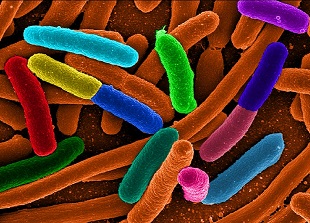
WIKIMEDIA, MATTOSAURUSA brief, low dose of antibiotics shortly after birth can have long-lasting consequences on gut microbes in mice and lead to obesity once the rodents reach middle age. These findings, published today (August 14) in Cell, suggest that the gut microbiome may influence the development of metabolic pathways during a critical time window early in life.

Low doses of antibiotics have been used to promote animal growth in agriculture for several decades, although the mechanism underlying the drugs’ fattening effect was unclear. Martin Blaser of the New York University Langone Medical Center and his colleagues showed in a 2012 Nature paper that early-life antibiotic therapy in mice altered hormone levels and the activities of genes involved in carbohydrate and lipid metabolism.

For this latest study, Blaser and his colleagues aimed to better understand how the timing of such treatment might mediate microbial effects on host metabolism, he told The Scientist. The researchers treated two groups of mice with low doses of penicillin either shortly before pups were born or while they were weaning. A third group of pups received the antibiotic ...

Interested in reading more?

Become a Member of

The Scientist Logo
Receive full access to more than 35 years of archives, as well as TS Digest, digital editions of The Scientist, feature stories, and much more!
Already a member? Login Here
December digest cover image of a wooden sculpture comprised of multiple wooden neurons that form a seahorse.
December 2025, Issue 1

Wooden Neurons: An Artistic Vision of the Brain

A neurobiologist, who loves the morphology of cells, turns these shapes into works of art made from wood.

View this Issue
Stacks of cell culture dishes, plates, and flasks with pink cell culture medium on a white background.

Driving Innovation with Cell Culture Essentials

Merck
Stacks of cell culture dishes, plates, and flasks with pink cell culture medium on a white background.

Driving Innovation with Cell Culture Essentials

MilliporeSigma purple logo
Human iPSC-derived Models for Brain Disease Research

Human iPSC-derived Models for Neurodegenerative Disease Research

Fujifilm
Abstract wireframe sphere with colorful dots and connecting lines representing the complex cellular and molecular interactions within the tumor microenvironment.

Exploring the Inflammatory Tumor Microenvironment 

Cellecta logo

Products

brandtech logo

BRANDTECH® Scientific Announces Strategic Partnership with Copia Scientific to Strengthen Sales and Service of the BRAND® Liquid Handling Station (LHS) 

Top Innovations 2026 Contest Image

Enter Our 2026 Top Innovations Contest

Biotium Logo

Biotium Expands Tyramide Signal Amplification Portfolio with Brighter and More Stable Dyes for Enhanced Spatial Imaging

Labvantage Logo

LabVantage Solutions Awarded $22.3 Million U.S Customs and Border Protection Contract to Deliver Next-Generation Forensic LIMS